Mike Gallagher
Untitled Advertising Lab

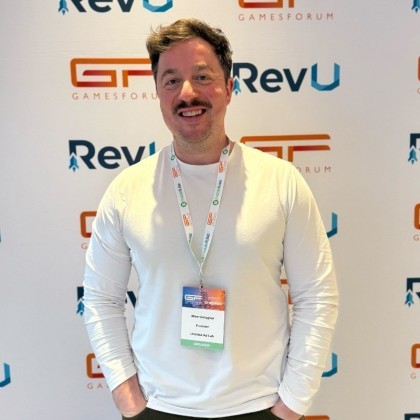

Mike Gallagher is the founder of Untitled Advertising Lab, a marketing and community agency working with indie, AA, and established studios across PC, mobile, and console. He specializes in post-launch strategy, player retention, and long-term growth systems, helping teams move beyond launch-day success toward sustainable performance.
Mike has supported games across Steam and live-service ecosystems, working closely with developers, producers, and publishers to align marketing, community, and product into cohesive post-launch strategies. His work focuses on practical execution shaped by real-world challenges, including launches that stalled, campaigns that scaled too early, and retention strategies that only worked after hard lessons were learned.
With a background spanning film, games, and live-service marketing, Mike brings a candid, experience-driven perspective to game marketing, emphasizing systems over spikes and long-term player relationships over short-term hype.
Mike Gallagher is speaking at the following session/s
Why Most PC Game Marketing Fails After Launch (and How to Build Systems that Actually Retain Players)
For many games, launch is treated as the finish line. Wishlists convert, reviews come in, visibility spikes and then momentum quietly fades. Not because the game isn’t good, but because post-launch marketing is rarely designed to support retention, re-engagement, and long-term discovery on PC.
This talk breaks down why game marketing so often stalls after launch and what studios can do differently to build systems that keep players coming back months and years later.
Drawing from real Steam data, post-launch campaigns, and hard-earned lessons from PC releases, this session examines the most common failure points: over-indexing on launch-day hype, misreading wishlists as retention, under-utilizing Steam’s ecosystem, and treating marketing as a short-term visibility push instead of a long-term player lifecycle strategy.
Rather than focusing on paid acquisition tactics, the presentation explores how successful PC games align product updates, community, store presence, and communication into a single retention engine. Attendees will learn how to identify the signals that predict long-term engagement, how to structure post-launch beats that re-activate players, and how to turn updates, events, and community moments into sustained growth rather than temporary spikes.
This is not a theoretical framework or a “launch checklist.” It’s a candid, experience-driven look at what failed after launch, why it failed, and what actually worked to stabilize retention, improve engagement, and extend the commercial life of PC games.
Session Takeaway
- Launch success does not equal long-term success - Wishlists, reviews, and launch visibility are only the starting point. Without a post-launch system that supports re-engagement and ongoing discovery, momentum will fade even for well-received PC games.
- Retention is built through systems, not spikes - Sustainable PC game growth comes from aligning updates, community, store presence, and communication into a consistent rhythm. One-off beats and reactive marketing cannot replace a structured post-launch approach.
- Marketing works best when it is tied to player behavior, not hype - The most effective post-launch strategies focus on how players actually engage with the game. When marketing supports real play patterns and reasons to return, engagement and long-term performance improve naturally.
Session speakers